
What We Do
CSR Activities
Corporate Social Responsibility (CSR) activities are voluntary, self-regulated initiatives that businesses undertake to be more accountable to their stakeholders, the community, and the environment. By actively engaging in CSR, companies demonstrate a commitment to ethical practices, social impact, and environmental sustainability—choosing long-term responsibility over harmful or negligent operations.
Planning your CSR event
CSR Croatia Events & Activities
Explore a curated selection of Corporate Social Responsibility activities designed to align with your company's values while making a measurable impact across Croatia.

Video Production
Help Croatian NGOs spread awareness by creating impactful videos. Your team writes, shoots, and stars in a short film around a real environmental or community cause — a creative, enjoyable process that delivers genuine real-world impact.
Learn more
Trash into Art
Where creativity meets environmental action. In this hands-on workshop your team collects plastic waste in an eco-cleanup, then transforms it into meaningful art on canvas — raising awareness about plastic pollution and sustainability.
Learn more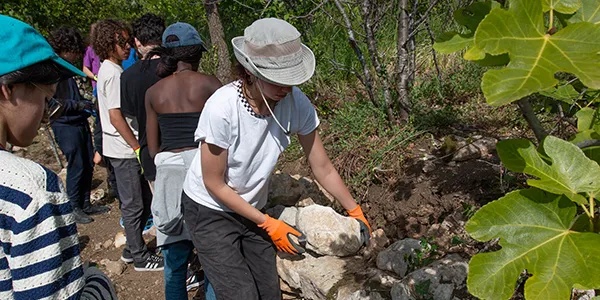
Dry Stone Wall Restoration
Help preserve Croatia's cultural heritage. In the village of Majkovi near Dubrovnik, your team works alongside local builders to rebuild centuries-old dry stone walls using techniques passed down through generations.
Learn more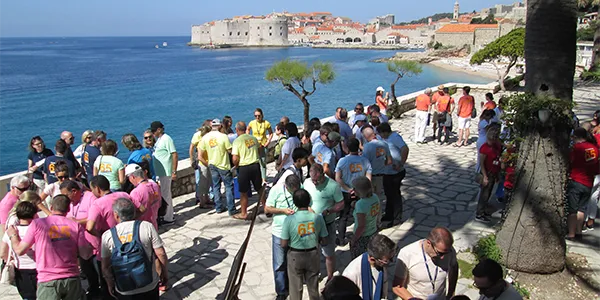
CSR Scavenger Hunt
Blend a fun team scavenger hunt with real CSR impact. As your team solves clues across a Croatian city or landscape, the points you earn convert into supermarket vouchers for local families in need — with litter collection and community missions along the way.
Learn moreWhat are CSR Events?
Corporate Social Responsibility (CSR) events are organized by companies to support social, ethical, and environmental causes. These initiatives demonstrate a company's commitment to sustainable practices, community engagement, and ethical responsibility.
CSR events serve as a strategic way for businesses to build stronger brand trust, enhance their public image, and align with socially conscious values. From charity fundraisers and environmental clean-up efforts to employee volunteer programs, CSR activities create meaningful impact while strengthening ties with local communities.
By integrating CSR into company culture and operations, businesses can drive positive change and show stakeholders they are serious about long-term responsibility and purpose beyond profit.
What are main types of CSR initiatives?
The main types of Corporate Social Responsibility (CSR) initiatives typically fall into four key categories:
- 1
Environmental Responsibility
Focuses on reducing a company's ecological footprint. Examples include waste reduction, energy efficiency, renewable energy use, carbon offset programs, and conservation projects like tree planting or clean-up efforts.
- 2
Social Responsibility
Centers on contributing to social causes and community well-being. This includes supporting education, public health, local development, and human rights through donations, volunteering, or partnerships with NGOs.
- 3
Ethical Responsibility
Involves conducting business with integrity and fairness. This includes fair labor practices, transparent supply chains, anti-corruption policies, and respect for consumer rights and privacy.
- 4
Economic Responsibility
Aims to operate sustainably and ethically while remaining profitable. This includes investing in local economies, responsible sourcing, fair pricing strategies, and long-term value creation for all stakeholders.
These types often overlap in practice and are most effective when integrated into the core business strategy.
Big Social Impact Realized Through Simple Actions
CSR Croatia develops collaborations between companies and stakeholders in their ecosystem to achieve a high sustainability impact. Companies have the opportunity to engage with sectors and/or value chain peers and work together with other stakeholders through Croatia.